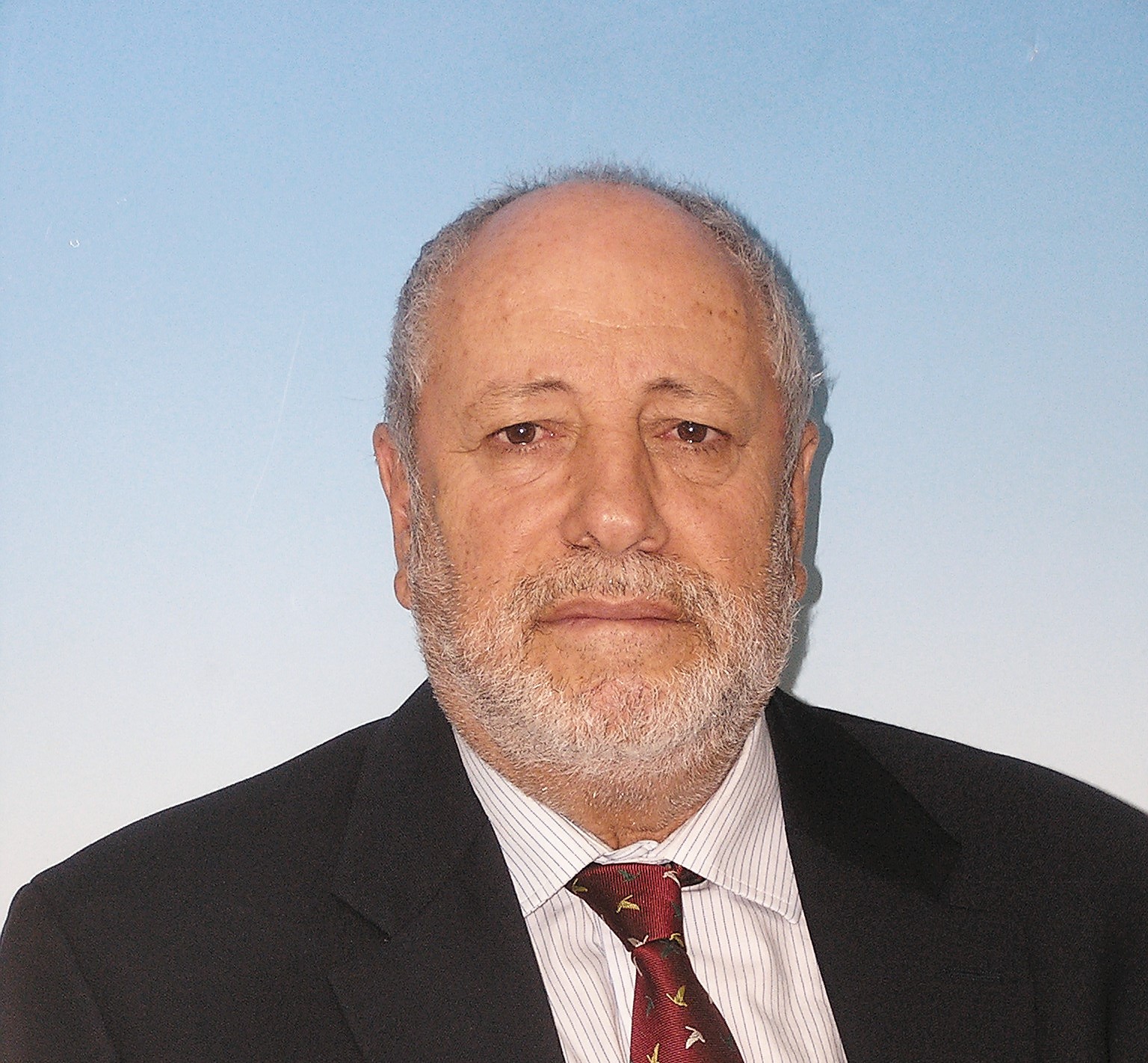


The World Tourism Network awarded Kristijan Curavić the Tourism Hero Status, part of the Amazing Travel Award, on December 15, 2025 This is the first time the Award was presented to a Croatian.
Kristijan Curavić does not present himself as an activist. He operates more like a chief executive navigating diplomacy, capital, and long-term institutional trust in one of the world’s most politicized arenas: environmental protection and sustainable tourism.
As President of the Ocean Alliance Conservation Member (OACM) Group, Curavić has emerged as a central figure linking governments, royalty, and private capital around marine protection—while maintaining a reputation for strict governance discipline that has, at times, come at significant financial cost.
From Elite Athlete to Institutional Builder
Curavić’s career did not begin in policy. As a world-class free-diving champion, he developed international recognition long before entering diplomacy. In 2015, he set a world record by becoming the first person to ice free dive at the North Pole, a feat that cemented his profile within elite environmental and scientific circles.
Earlier in life, he survived a near-fatal drowning at the age of four—an event he credits with shaping a lifelong connection to water and a highly disciplined, risk-aware leadership style.
Building OACM as a Diplomatic Platform

Curavić founded the environmental NGO Guuwa in 2007. By 2013, he had already coordinated what became the largest multinational cleanup of oceans, lakes, and rivers, involving dozens of countries. That initiative evolved into World Aqua Day, now observed across 60 nations.
The same year, Curavić launched the OACM Group under the patronage of:
- H.S.H. Prince Albert II of Monaco
- Stjepan Mesić, former President of Croatia
- Bernie Ecclestone, former CEO and owner of Formula 1
From inception, OACM was positioned not as a campaign-driven NGO but as a hybrid institution, combining environmental protection, tourism standards, and intergovernmental cooperation.
A €20 Million Governance Decision
Curavić’s defining executive moment came in 2022, when OACM was close to securing a €20 million investment from a Swiss consortium during the COVID period.
The investors demanded the removal of Ecclestone as a founding partner, citing political considerations. Curavić declined.
The decision resulted in the immediate withdrawal of the investment. Within OACM’s government and royal partner network, however, the refusal reinforced Curavić’s reputation as a leader unwilling to compromise governance structures or founding agreements for short-term capital.
“It was a governance issue, not a political one,” said one senior advisor familiar with the decision.
Board-Level Credibility
Under Curavić’s leadership, OACM assembled a Board of Excellence comprising former heads of state, active ministers, and senior advisors. Among them was Dr. Taleb Rifai, former Secretary-General of the UN World Tourism Organization, whose involvement helped shape OACM’s positioning at the intersection of sustainable tourism and environmental policy.
Although some advisors have since stepped back for health or personal reasons, the institutional framework they helped establish remains intact.
Scaling a Standard, Not a Brand
Curavić is now focused on the international deployment of the Certified SAFE Marine Area (CSMA) program—a governance-based system designed to integrate marine protection, tourism safety, environmental monitoring, and economic sustainability.
The CSMA framework is currently being implemented across the Mediterranean, Middle East, Black Sea, Baltic, and Scandinavian regions, positioning OACM as a standard-setting body rather than an advocacy organization.
A Different Model of Environmental Leadership
In a sector often driven by pledges and publicity, Curavić has built a leadership profile closer to that of a regulator or institutional investor: cautious, principle-driven, and focused on long-term credibility.
For supporters within government and capital markets, the appeal is clear. OACM under Curavić offers not moral signaling, but predictability, trust, and governance stability—qualities increasingly scarce in global environmental diplomacy.
https://www.plasticoceansummit.com